Loading…

Scrap vessel handling is one of the most demanding forms of bulk cargo operation. Scrap is irregular in size, shape, and density, requiring specialized grabs, suitable transport equipment, controlled landing areas, and continuous coordination between the vessel, quay, terminal yard, and outbound trucks.
Operational performance depends on more than crane productivity. Truck availability, equipment positioning, cargo containment, traffic management, housekeeping, and dispatch planning must all work together to maintain a consistent discharge cycle while reducing unnecessary cargo movement and operational delays.
At Sky Ports, scrap handling is managed as one connected operation rather than a series of separate activities. Vessel discharge, truck loading, cargo movement, and inland transportation are coordinated through a unified operating plan. This approach enabled Sky Ports to achieve a daily scrap discharge rate of 10,400 tonnes, demonstrating the value of disciplined planning and integrated execution.
Scrap is discharged directly from the vessel into high-sided trucks whenever operational conditions allow. Crane cycles and truck arrivals are synchronized to maintain continuous cargo movement and reduce the need for temporary accumulation alongside the vessel.
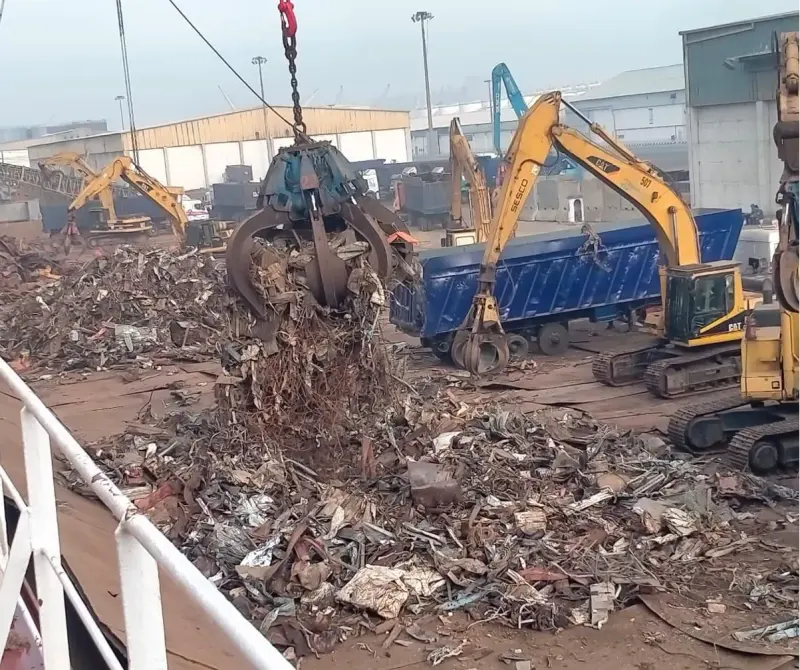
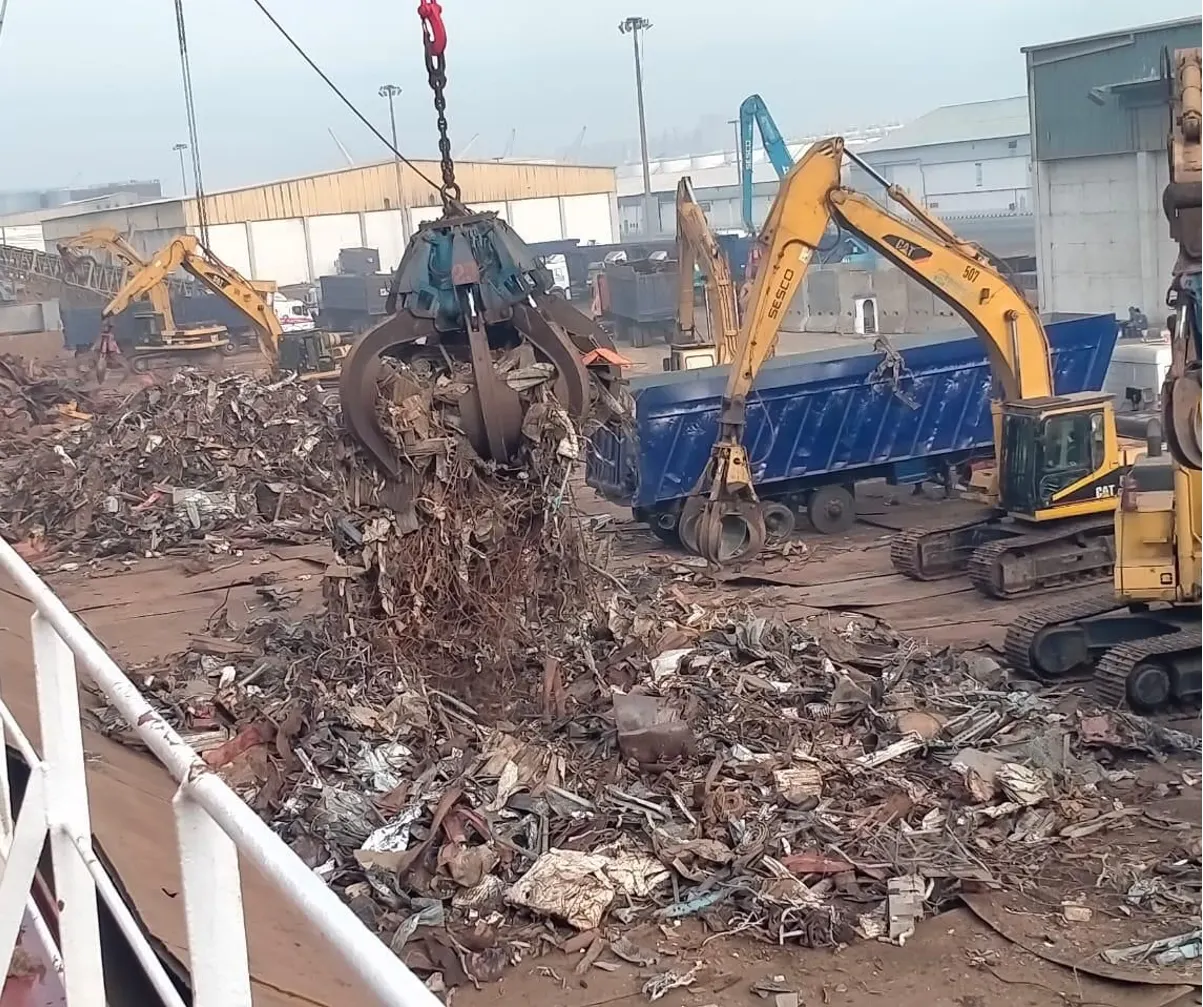
Scrap is commonly discharged into an open handling area before being collected and transferred by additional equipment. This creates an intermediate stockpile and introduces another stage between vessel discharge and transportation.
Direct vessel-to-truck handling reduces intermediate cargo movement, keeps the operational area more organized, and supports a faster and more consistent discharge cycle.
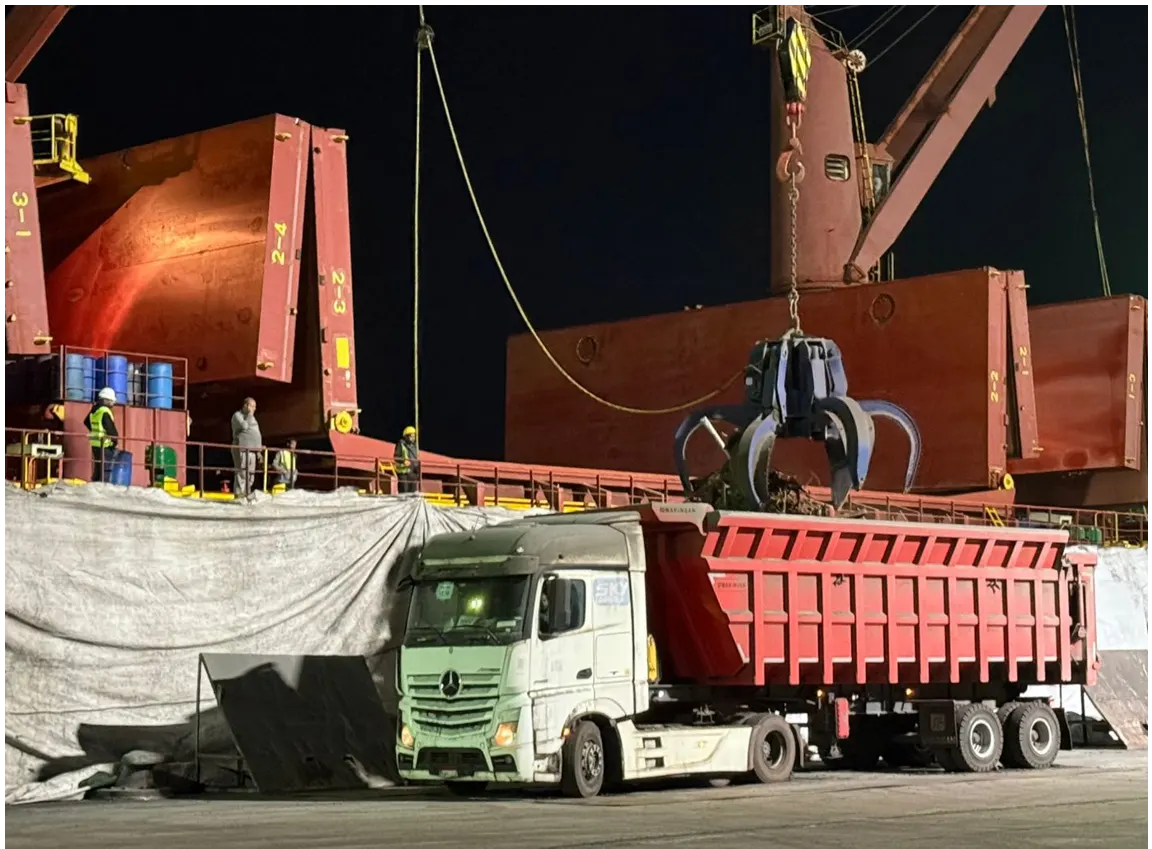
Vessel cranes, grabs, trucks, and terminal teams operate according to one coordinated sequence. Equipment positioning and truck circulation are planned around the vessel’s discharge progress, creating a controlled flow from the ship to the terminal exit.
Scrap may be accumulated in large piles and subsequently moved, reorganized, and loaded using multiple excavators, grabs, and loaders. Each additional movement increases equipment dependency and extends the cargo-handling process.
By reducing repeated lifting, shifting, and reloading, Sky Ports limits unnecessary cargo touches and maintains clearer operational control throughout the discharge process.
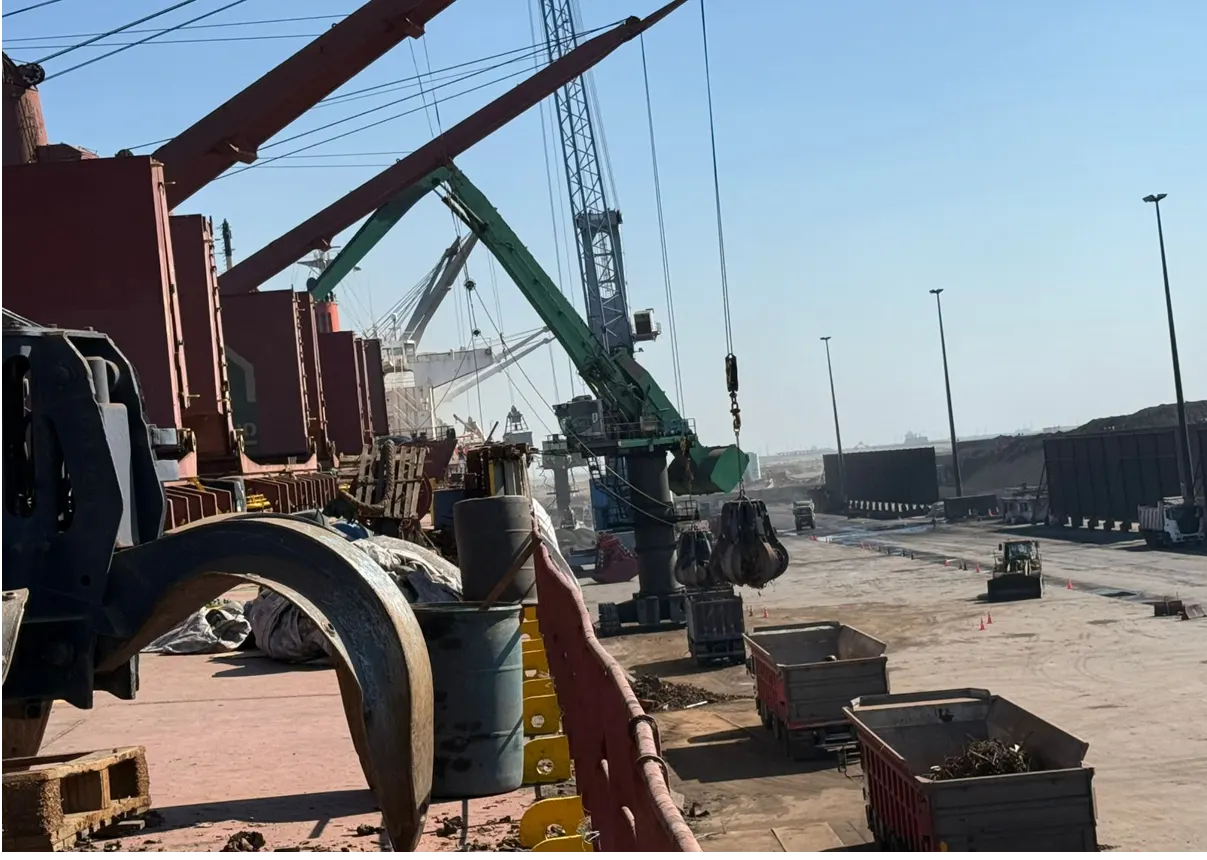
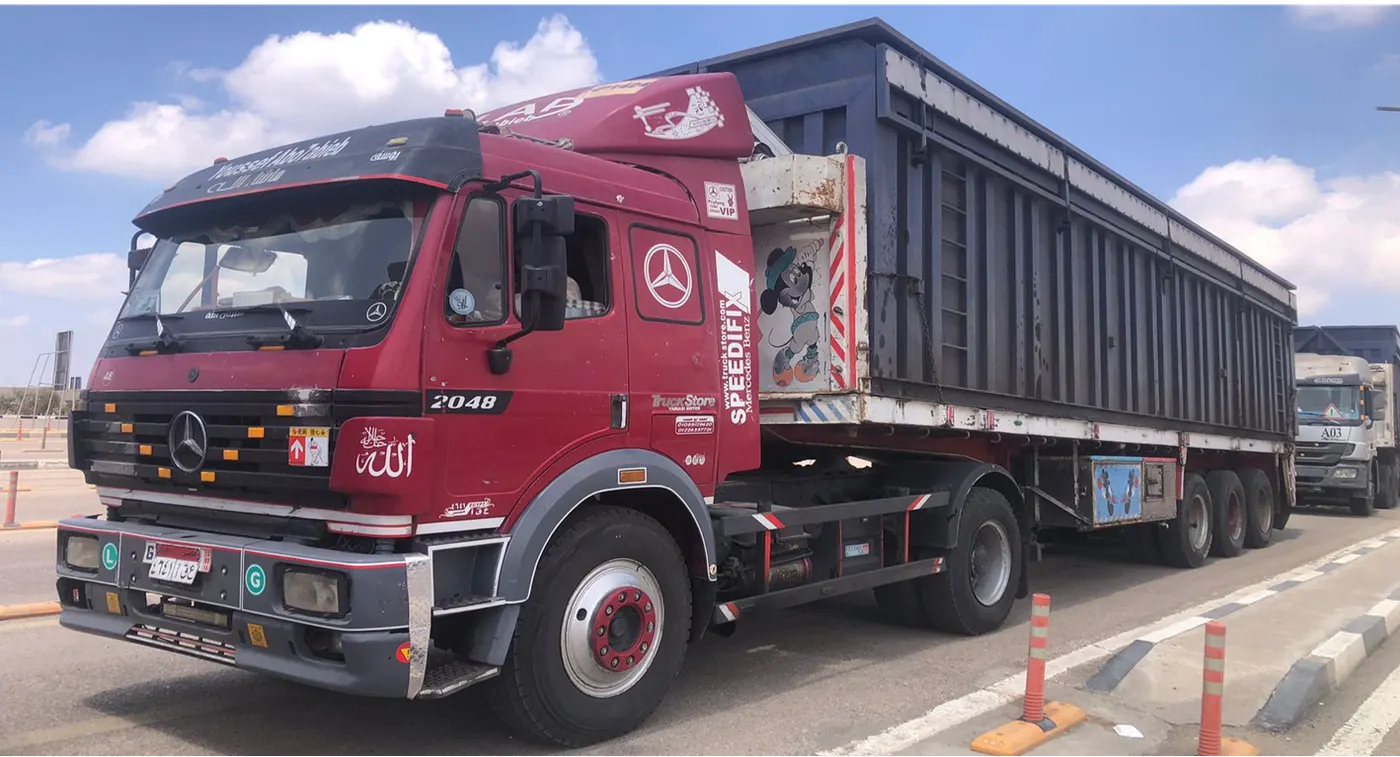
Suitable high-sided trailers are integrated into the vessel-handling plan from the beginning. Truck requirements, loading cycles, dispatch sequences, and inland movement are coordinated with the discharge operation to prevent interruptions at the quay.
Transportation can be managed as a separate stage after cargo has already been discharged and accumulated. Differences in vehicle configuration, availability, loading preparation, and cargo covering can affect dispatch consistency and create additional waiting time.
Integrating inland transportation with vessel operations creates a more predictable cargo flow, reduces truck congestion, and supports continuous movement from the vessel to the final destination. Supported by Sky Ports own hydraulic cover-top container fleet the only one of its kind in Egypt the operation delivers safer, weather protected, and more efficient cargo transportation from port to destination.
The Sky Ports approach connects every operational stage—from vessel planning and crane activity to truck loading and inland dispatch. The result is fewer handling stages, better equipment utilization, more organized terminal movement, and a discharge performance of 10.4K tonnes per day.